PAPUA NUOVA GUINEA: THE LAST PARADISE
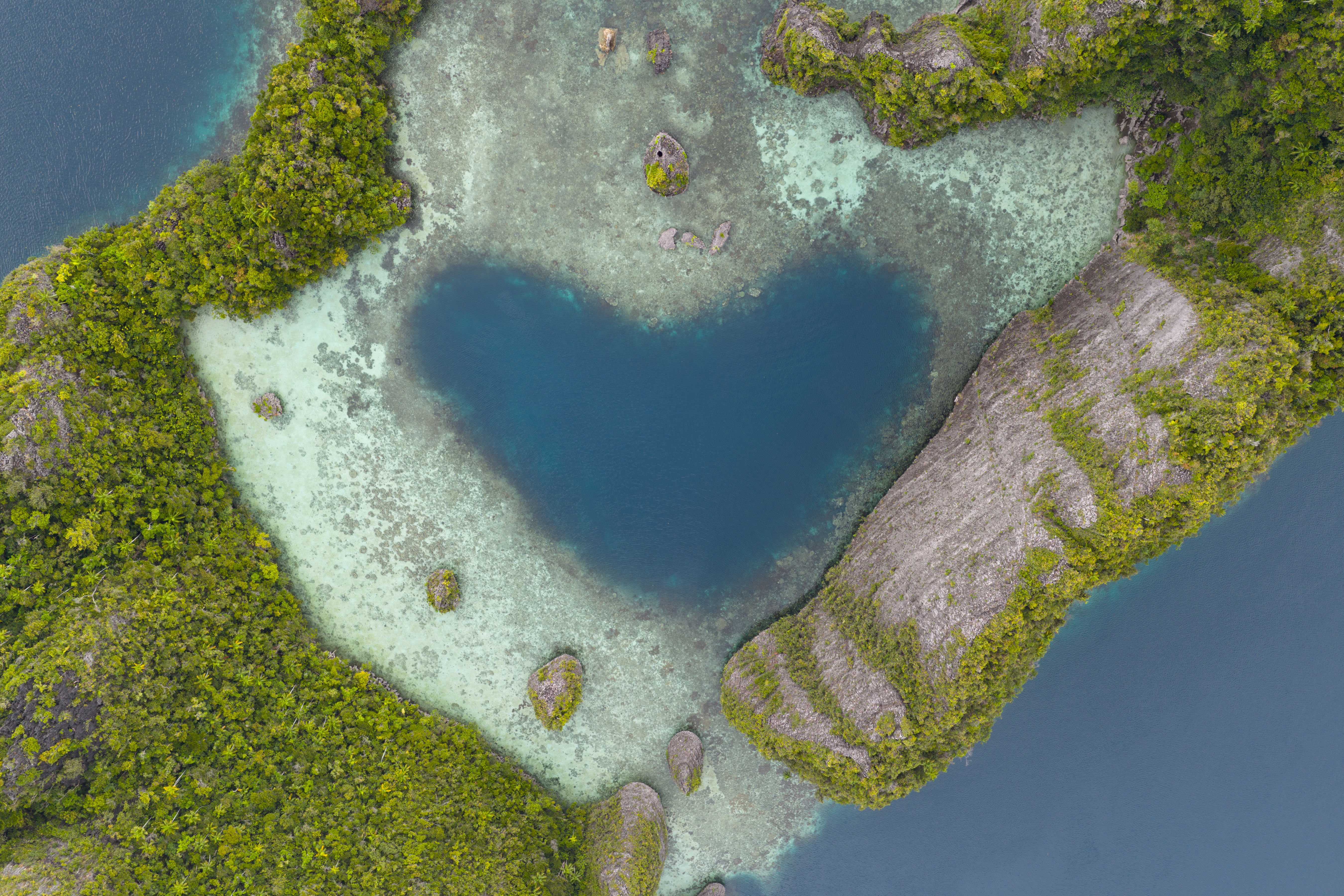
In the heart of Indonesian Papua, where the modern world seems to fade away, lies Raja Ampat, one of the last true natural sanctuaries on Earth.
A remote, wild, and deeply spiritual archipelago, where local Papuan culture still lives in profound harmony with land and sea. Ancient traditions, slow rhythms, tribal dances, and an ancestral bond with nature define everyday life here: a journey to Raja Ampat becomes a return to origins, an authentic reconnection between body, mind, and environment.
Raja Ampat is not a destination chosen for fashion, but for calling. It is the perfect place for those seeking silence, purity, and total immersion in nature, far from modernity and mass tourism.
The main islands — Waigeo, Batanta, Salawati, and Misool — rise from turquoise waters dotted with iconic limestone karst islets such as Pianemo, Wayag, and Fam, landscapes that have become symbols of a primordial, untouched beauty.For divers, Raja Ampat is universally regarded as the global epicenter of marine biodiversity. Its underwater world is astonishingly diverse and largely unexplored: pristine coral reefs, pinnacles, channels, and dramatic vertical walls teeming with life.
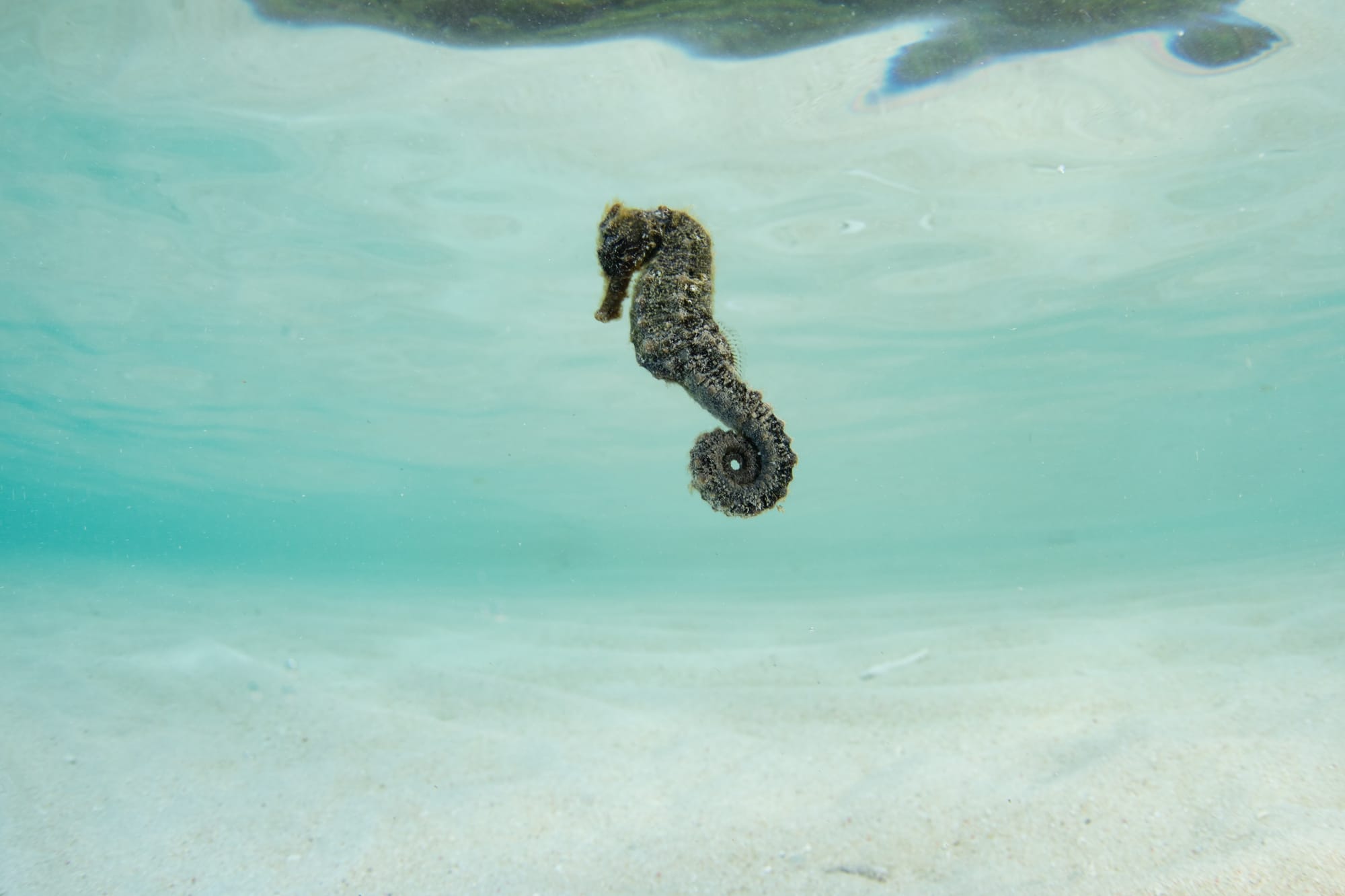
Among the most famous dive sites are Cape Kri, Blue Magic, Manta Sandy, Sardine Reef, Melissa’s Garden, and Boo Windows. Here divers encounter huge schools of tropical fish, groupers, barracuda, trevallies, reef sharks, wobbegong sharks, pygmy seahorses, and an unmatched variety of corals.
Manta rays are commonly seen at Manta Sandy and Blue Magic, while dolphins often accompany boat crossings between the islands. Whales and sperm whales migrate seasonally through deeper waters, adding a sense of awe and anticipation to every dive.
The best time to visit Raja Ampat is from October to April, when sea conditions are generally calm and underwater visibility is excellent. The months between November and March are particularly favorable for diving, although the region remains accessible almost year-round.
A diving trip to Raja Ampat is not just an exploration—it is a transformative experience, a complete immersion into one of the last authentic paradises on Earth, where nature still sets the rules and humans learn to listen once again.


